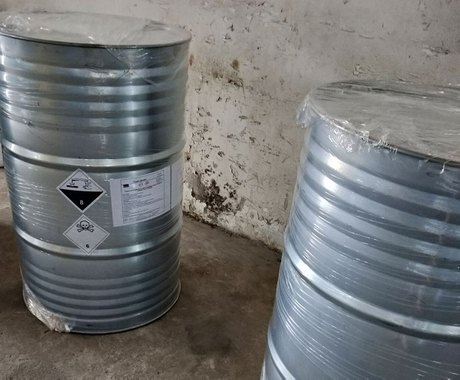
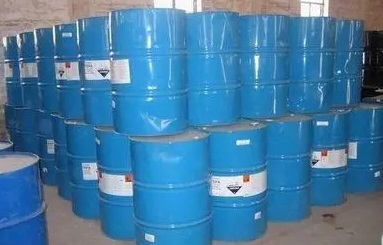
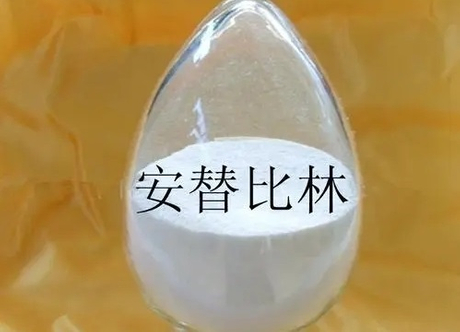
Lactic acid is also called 2-hydroxypropionic acid and α-hydroxypropionic acid. There is an asymmetric carbon atom in the molecular structure, forming two optical isomers, d-body, l-body and racemic dl-body, totaling 3 Species of optical isomers. There are dextrorotatory bodies and racemates in human and animal meat tissues, while levorotatory bodies are the normal metabolites of mammals. It is also naturally found in fruits such as poppies, apples, and tomato juice.
Uses
Food Industry
Lactic acid has a strong antiseptic and fresh-keeping effect. It can be used in fruit wine, beverages, meat, food, pastry production, vegetable (olive, cucumber, pearl onion) pickling and canning processing, grain processing, and fruit storage. It can adjust pH , Antibacterial, extend shelf life, seasoning, maintain food color, improve product quality, etc.
Medicine
Lactic acid vapor disinfection in wards, operating rooms, laboratories and other places can effectively kill bacteria in the air, reduce diseases, and achieve the purpose of improving health. Lactic acid can be directly formulated into medicines or daily health products for use.
Other industries
Lactic acid is used in the fermentation industry to control pH and improve the purity of fermented products.
Production method
Fermentation
The main method of fermentation is to adjust the pH value of sugar to about 5 under the action of lactic acid bacteria, and maintain about 50-60 dm; fermentation for 3 to 5 days to obtain crude lactic acid.
The raw materials of the fermentation method are generally starchy raw materials such as corn, rice, and sweet potato (Alfalfa, cellulose, etc. are also used as raw materials, and studies have proposed that kitchen garbage and fish waste are recycled to produce lactic acid). In the lactic acid fermentation stage, there are many lactic acid bacteria that can produce acid, but not many of them have higher acid quality, mainly Rhizopus and Lactobacillus. Different bacterial strains have different fermentation pathways, which can be divided into homogeneous fermentation and heterogeneous fermentation. Actually, due to the existence of other physiological activities of microorganisms, it may not be a simple fermentation pathway.
The fermentation method is divided into homogeneous fermentation and heterogeneous fermentation.
Synthetic method
Synthetic methods for preparing lactic acid include lactonitrile method, acrylonitrile method, propionic acid method, propylene method, etc., used in industrial production only lactonitrile method (also called acetaldehyde hydrocyanic acid method) and acrylonitrile method.
MOSINTER GROUP was established in 2004. The main office is located in Ningbo, China. The production are located in Zhejiang Province, Jiangsu Province and Shandong Province in China. Specializing in the production and marketing of chemical products, MOSINTER GROUP has excellent production equipment and a high-performing sales team as well as advanced manufacturing technique, comprehensive quality management system and modernized testing methods.